
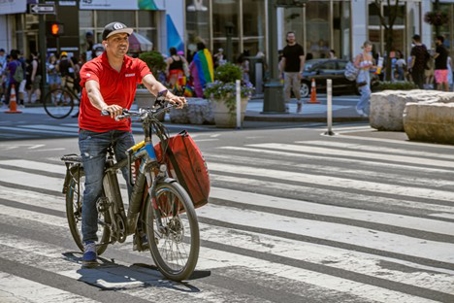
What the 15 MPH E-Bike Rule Means for Riders
Starting this week, e-bike and e-scooter riders across New York City will be subject to a new speed limit, a safety-focused initiative prompted by rising rider incidents—including the tragic Greenpoint accident. The rule—capping speeds at 15 miles per hour citywide—is part of an initiative proposed earlier this year by Mayor Eric Adams to improve safety for cyclists, pedestrians, and motorists alike.
The regulation, now in full effect, mirrors similar laws already adopted in major cities around the world, including those across the European Union. City officials say it aims to reduce collisions, create consistency across the city’s growing micromobility network, and make streets safer for everyone.
E-Bike Legalization History & the New 15 MPH Speed Limit
E-bikes and e-scooters have long offered New Yorkers an efficient, affordable, and eco-friendly way to navigate the city, but prior crackdowns in 2017 led to widespread confiscations and fines for riders. In April 2020, the NYC Council legalized these vehicles under class-based speed limits and safety criteria, giving riders clear rules while focusing enforcement on genuinely dangerous behavior.
Building on that framework, Department of Transportation Commissioner Ydanis Rodriguez described the new 15 mph citywide speed limit as a step toward a more organized urban transit system, especially as record numbers of New Yorkers turn to cycling as their primary mode of travel. But as with any new regulation, enforcement brings new concerns—particularly when violations could result in fines, points on a license, or other legal consequences.
How NYC’s New E-Bike Speed Limit Will Be Enforced
New York City’s new 15 mph speed limit for e-bikes and e-scooters marks a turning point for riders and delivery workers across the five boroughs. The rule—which applies to all Class 1, 2, and 3 e-bikes as well as e-scooters—will be enforced through a combination of NYPD patrols, Department of Transportation (DOT) inspectors, and a newly created division known as the Department of Sustainable Delivery.
This new department, funded in the city’s 2025 budget, will deploy 45 unarmed peace officers by 2028. These officers will be trained to issue moving violations, monitor rider behavior, and ensure compliance with both traffic and equipment regulations. Their focus will fall heavily on commercial riders—particularly delivery workers whose e-bikes are often capable of speeds well above the new cap.
What Riders Can Expect from Enforcement
While City Hall has yet to detail every enforcement mechanism, riders should expect speed monitoring similar to that of traditional vehicles. This includes radar checks, on-street patrols, and camera-based enforcement in high-traffic areas like Midtown Manhattan and the outer boroughs’ busiest delivery corridors.
The penalties include:
- Fines & Fees: Each speeding citation starts at $100, escalating for repeat offenses.
- E-Bike Impoundment or Account Suspension: Repeat violators risk having their e-bikes seized or being suspended from delivery apps such as Uber Eats, Grubhub, or DoorDash.
- License & Insurance Impacts: E-bike violations can add points to a rider’s license, potentially affecting auto insurance rates or leading to a temporary suspension.
Battery Safety, Sustainability, & Legal Implications
Enforcement in New York City now extends beyond speed to include battery safety and certification. All e-bikes and scooters sold or distributed in NYC must use UL-certified batteries to meet strict fire safety standards. To support delivery workers in compliance, the city has launched a $2 million trade-in program for unsafe batteries and is allowing sidewalk charging cabinets and battery-swapping stations to promote safer practices.
For riders and businesses, these changes signal a new era of accountability and sustainability in urban delivery. Understanding the nuances of these rules—and the rights available when facing a ticket or citation—is essential.
Because traffic law in New York City is complex, it’s crucial to understand your rights before paying any ticket. In many cases, citations can be contested, particularly if issued in error or without proper documentation. As enforcement ramps up, staying informed will not only protect riders legally but financially, helping thousands of New Yorkers avoid long-term penalties and consequences.
E-Bike Speed Limits vs. Economic Reality
New York City’s newly imposed speed limit for e-bikes is intended to curb collisions and improve pedestrian safety—but it also exposes a widening legal and ethical fault line between public policy and the economic realities of delivery work.
As The New York Post reported, riders on Sixth Avenue were clocked at speeds up to 23 mph, weaving through traffic to complete app-based deliveries. For many gig workers, slower speeds mean fewer orders—and less pay. One delivery rider told The Post he won’t comply, noting his e-bike can reach 25 mph with pedal assist and that speed “means survival.”
What NYC’s New 15 MPH Rule Means for Riders and Legal Defense
From a legal standpoint, we recognize how this friction may shape future enforcement and defense strategies. Regulations like this often fail to account for the structural pressures of gig work—where pay models effectively reward faster, riskier riding. In representing riders and small business owners, we may argue that compliance challenges stem not from disregard for the law, but from the economic and logistical realities these workers face daily.
We also see opportunities to push for more balanced reforms: clearer enforcement standards, safer bike lanes, and policies that promote both accountability and equity. Ultimately, the city’s effort to slow the streets raises a critical question—how can we pursue safety without penalizing the workers keeping New York moving?
Why Fighting a Traffic Ticket Matters
Even if it seems like a minor violation, accepting guilt can carry lasting consequences. Paying a ticket without contesting often means admitting fault, and that record follows you.
Working with a New York City traffic lawyer helps ensure your rights are protected and that the city meets its burden of proof. At Gannes & Musico, LLP, we can review your case, challenge improper enforcement, and work to keep your driving record clean.
Common benefits of hiring our team for legal representation include:
- Fighting Fines & Point Accumulation. Our legal defense strategies and efforts work overtime with the aim of reducing or mitigating penalties.
- Preventing Insurance Increases. We are aware of the long-term costs of insurance spikes. We will fight to keep your record clean to help keep your rates low.
- Saving Time & Stress. Our attorneys can appear in court on your behalf and handle case filings.
- Challenging Procedural Errors. Inaccurate readings, insufficient evidence, or officer mistakes can be grounds for dismissal. Let our knowledgeable and experienced team dive deep to design a legal strategy tailored to your situation.
Whether you were cited on an e-bike, e-scooter, or in a vehicle, the process and potential penalties can be similarly costly, so take your defense options seriously.
Protect Your Driving Record with Gannes & Musico, LLP
If you’ve received an e-bike ticket in New York City, don’t accept the consequences without exploring your legal options. The traffic attorneys at Gannes & Musico, LLP have helped thousands of clients fight citations for speeding, red light violations, and other alleged infractions.
Our firm offers:
- Free Consultations. Get a straightforward evaluation of your case with no obligation.
- Committed Legal & Traffic Ticket Defense. Our team of traffic attorneys fights to protect your license and minimize penalties.
- Legal Experience. Our team has a track record of securing favorable outcomes. We handle 75–150 cases every day and achieve dozens of “not guilty” verdicts daily.
- Comprehensive Representation. From traffic summonses to criminal charges, our lawyers are ready to advocate for you.
Don’t go to traffic court alone. Let one of our dedicated NYC traffic lawyers guide you through the process and advocate on your behalf.
Start with a free review—call (877) 803-2603 or contact us online today to discuss your case.